
January 27, 2025
Bountry Fresh Group expresses commitment to contract growing to help local poultry growers
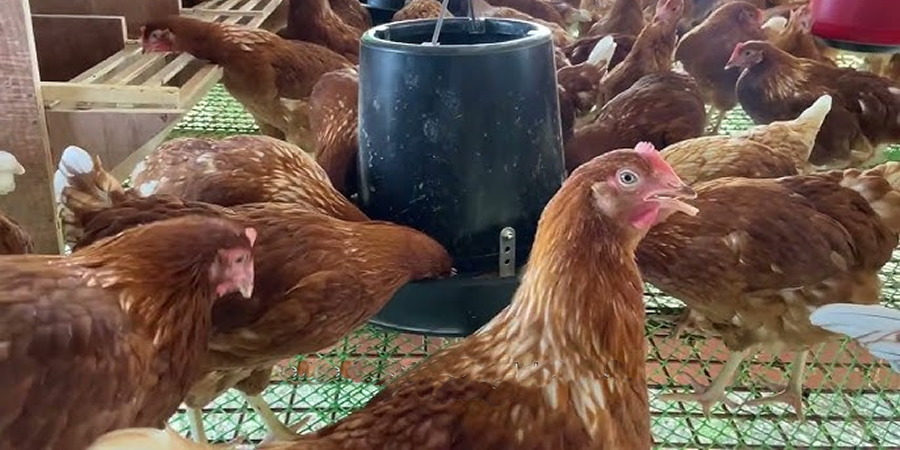
Philippine poultry integrator Bounty Fresh Group Holdings, Inc. said it will continue to lean on its contract growing programme rather than turn to poultry imports, noting that local poultry growers need support in the face of rising feed costs and the continued threat of the highly pathogenic avian influenza (HPAI) or bird flu.
"Our focus is on supporting local production, ensuring that the growth benefits local farmers and communities rather than relying on imported chickens," Bounty Fresh Group chief executive officer Kenneth G. Cheng told BusinessWorld in an email.
Bounty Fresh's contract growing programme provides poultry raisers with feed and other inputs, veterinary care, and technical support.
Cheng added that partner farmers benefit from a steady income, resources, and expert guidance, which maximises their productivity while reducing uncertainty.
"The programme promotes regulatory compliance, sustainable practices, and innovative farming techniques," he said. "Through our programme, we are also trying to make agriculture an investable market, encouraging financial institutions to lend money to farmers or aspiring farmers."
Cheng said that Bounty Fresh said biosecurity measures can go a long way towards keeping chickens healthy, with "no artificial interventions needed."
"We're proud to raise our chickens with no antibiotics ever. That means no antibiotics or steroids at any point in their lifecycle," he added. "We also follow strict farm protocols, like requiring showers and clothing changes before anyone enters, to protect our chickens from bacteria. These measures allow us to protect our chickens from bird flu and other diseases, ensuring healthier chickens and higher-quality products."
Cheng said that the bird flu continues to be a constant threat to the poultry industry.
"The recent H5N2 bird flu outbreak in Camarines Norte highlights the constant threat of disease outbreaks, which disrupt production and require stringent biosecurity measures," he added.
He said that the influx of imported poultry meat also threatens the competitiveness of the industry.
"(This led) to farmgate prices dropping as low as P80 per kilogram, while retail prices remain high. This disparity puts immense financial strain on farmers," Mr. Cheng added.
The USDA said Philippine chicken imports this year are expected to rise as the pricing of imported chicken remains attractive compared to domestically produced chicken.
He said that rising production costs and the need for additional investment in biosecurity and climate adaptation measures are drags on the growth of the poultry industry.
"By investing in sustainable farming practices, strengthening biosecurity, and advocating for fairer market dynamics, we aim to overcome these challenges and contribute to the growth and resilience of the Philippine poultry industry," Mr. Cheng said.
- BusinessWorld