
January 6, 2026
Regulation on open-pen sow gestation now in effect in Ohio, US
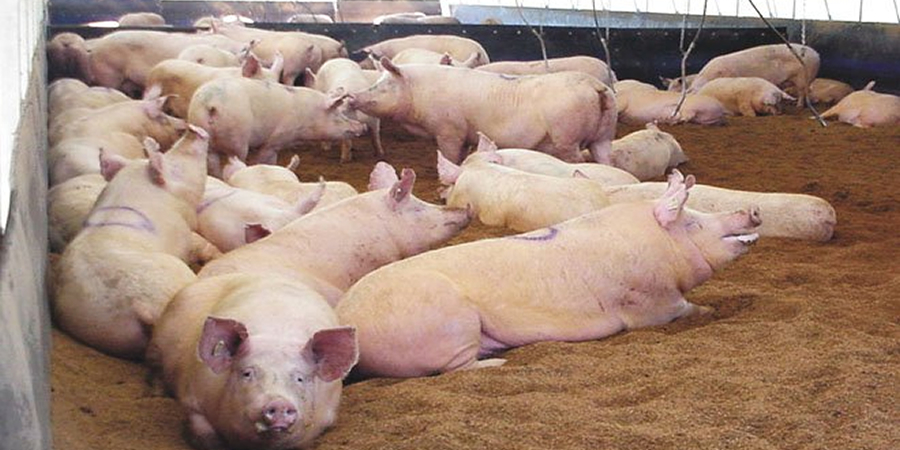
On January 1, a regulation on open-pen sow gestation officially went into effect in Ohio, the United States.
This rule (Ohio Administrative Code 901:12-8-02) requires that after December 31, 2025, breeding/gestation stalls are only allowed post-weaning for limited periods to confirm pregnancy and maximise embryonic welfare, with new construction banning stalls except for these short confirmation windows.
The Ohio Pork Council pointed out that Ohio pig farmers have been preparing for these open-pen gestation requirements for years by investing in facilities and fine-tuning management practices that support sow wellbeing, all while maintaining the flexibility to address individual animal needs.
"The timeline for implementation gave pig farmers the ability to plan, invest, and adapt responsibly—rather than face abrupt changes that could have forced families out of a profession they love, providing nutrient-dense protein for their communities," the organisation said.
This rule reflects a carefully considered choice made by Ohioans to place farm-animal care decisions in the hands of veterinarians, animal scientists, and farmers — using science, research, and real-world experience to guide policy, the Ohio Pork Council explained.
"As these requirements take effect, Ohio pig farmers remain committed to providing high-quality animal care rooted in accountability and expert oversight," the organisation says.
Ohio voters approved the creation of the Ohio Livestock Care Standards Board more than a decade ago. This board established the first state-led, science-based system in the country to set livestock housing and care standards.
Ohio's sow-housing standards were developed using this process, along with input from accredited veterinarians, animal welfare scientists, and farmers who understand sow behavior and daily care. The Ohio Pork Council says the resulting regulation supports open-pen gestation systems while allowing farmers and veterinarians to make individualised care decisions when needed for animal health, safety, or recovery.
"Ohio pig farmers are proud to operate under a system built on science and expertise," explained Cheryl Day, executive vice president of the Ohio Pork Council. "The group-housing standards taking effect are part of a thoughtful, Ohio-led approach to animal care — one that puts animal health first."
Unlike "one-size-fits-all policies that attempt to extend livestock housing requirements beyond state lines through market pressure," the Ohio Pork Council said its state's system focuses on setting science-based standards at home.
"This grassroots approach doesn't try to dictate how farmers and their veterinary partners in other states raise their animals," the organisation emphasised.
Guided by veterinarians and animal-care experts, Ohio pig farmers said their focus is on the health and well-being of their animals while working to meet today's consumer expectations.
The Ohio Pork Council said at the heart of this approach is a simple promise by Ohio's pig farmers: "We care about our animals and their wellbeing, we care about food safety, and we certainly care about the people and the environment in the communities where we farm."
- Pork Business